
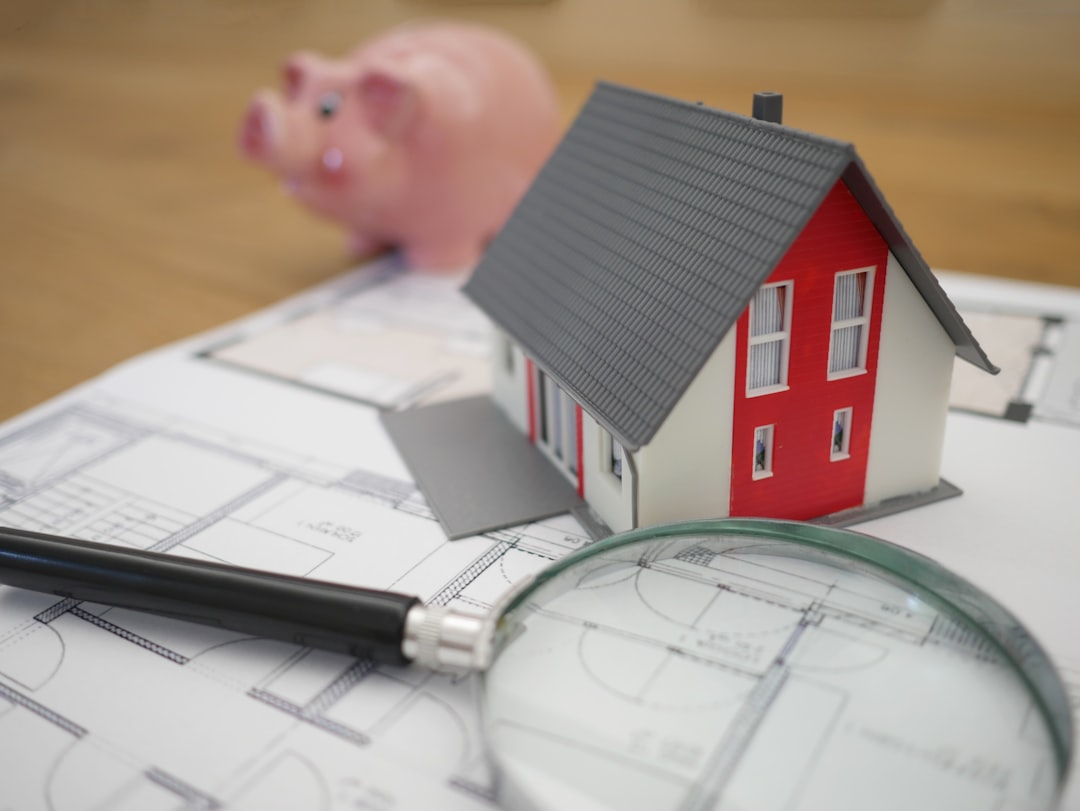
What is the cost of building a new home?
Building a new home involves multiple cost components that extend beyond basic construction expenses. The total financial investment encompasses land acquisition, construction materials, labor, permits, and various ancillary expenses that collectively determine the project’s final cost. Construction costs vary substantially based on geographic location, with urban areas typically commanding higher prices for land, labor, and materials compared to rural regions.
Market conditions, including material price fluctuations and labor availability, directly influence project budgets and can cause significant cost variations throughout the construction timeline. Key cost categories include site preparation, foundation work, framing, roofing, electrical and plumbing systems, interior finishes, and exterior work. Additional expenses encompass architectural plans, building permits, inspections, utility connections, and landscaping.
Contingency funds are necessary to address unforeseen complications or change orders during construction. Regional factors such as local building codes, climate requirements, soil conditions, and material availability affect overall costs. Design complexity, square footage, quality of finishes, and energy efficiency features also impact the final budget.
Understanding these cost components enables prospective homeowners to develop realistic budgets and make informed decisions throughout the construction process.
Key Takeaways
- Building a new home involves multiple cost components beyond just construction, including land, design, permits, and utilities.
- Land acquisition and site preparation can significantly impact the overall budget depending on location and terrain.
- Architectural fees and interior finishes add to the customization and quality but increase expenses.
- Permits, inspections, and financing costs are essential but often overlooked parts of the total cost.
- Planning for contingencies and miscellaneous expenses helps avoid budget overruns during the building process.
Land and Site Preparation Costs
The first significant expense in building a new home is acquiring land. The price of land can vary dramatically based on its location, size, and zoning regulations. In metropolitan areas, land prices can be exorbitant, while rural plots may be more affordable.
However, purchasing land is just the beginning; site preparation costs must also be considered.
Depending on the terrain and existing vegetation, site preparation can range from a few thousand dollars to tens of thousands.
Moreover, if the land has any existing structures or trees that need to be removed, this can further increase costs. For example, demolishing an old building or removing large trees may require specialized equipment and labor, adding to the overall expense. Additionally, if the site is located in an area prone to flooding or other environmental concerns, additional measures such as retaining walls or drainage systems may be necessary, further inflating the budget.
Therefore, it is crucial for prospective homeowners to conduct thorough research on land prices and site preparation requirements before making any commitments.
Design and Architectural Fees

Once the land is secured, the next step involves designing the home. This phase often requires hiring an architect or a designer, which comes with its own set of fees. Architectural fees can vary widely based on the complexity of the design and the experience of the professional hired.
Typically, architects charge a percentage of the total construction cost or a flat fee for their services. For instance, hiring an architect for a custom-designed home may cost anywhere from 5% to 15% of the total project cost. In addition to architectural fees, there may be costs associated with obtaining blueprints and engineering plans.
These documents are essential for ensuring that the home meets local building codes and regulations. If modifications are needed during the design phase, this can lead to additional expenses as well. Homeowners should also consider interior design services if they wish to create a cohesive aesthetic throughout their new space.
All these factors contribute to the overall design and architectural costs that must be factored into the budget.
Construction Materials and Labor Costs
The heart of any home-building project lies in construction materials and labor costs. The choice of materials significantly impacts both the budget and the quality of the finished product. For example, opting for high-end finishes such as granite countertops or hardwood flooring will increase costs compared to more economical options like laminate or vinyl.
Additionally, prices for materials can fluctuate based on market demand; for instance, lumber prices have seen significant volatility in recent years due to supply chain issues and increased demand. Labor costs also play a critical role in determining the overall construction budget. Skilled laborers such as electricians, plumbers, and carpenters command higher wages due to their expertise.
The total labor cost will depend on the complexity of the project and the duration of construction. For example, a custom-built home may require specialized tradespeople for unique features like custom cabinetry or intricate tile work, which can drive up labor expenses. Homeowners should obtain multiple quotes from contractors to ensure they are getting competitive rates while also considering the quality of work.
Permit and Inspection Fees
| Cost Component | Average Cost | Description |
|---|---|---|
| Land Purchase | 50,000 – 150,000 | Cost of buying the plot of land for building the home |
| Site Preparation | 5,000 – 15,000 | Clearing, excavation, and grading of the land |
| Foundation | 10,000 – 30,000 | Concrete slab, crawl space, or basement foundation costs |
| Framing | 20,000 – 50,000 | Building the skeleton of the house including walls and roof |
| Exterior Finishes | 15,000 – 40,000 | Siding, roofing, windows, and doors |
| Plumbing | 8,000 – 20,000 | Installation of pipes, fixtures, and water systems |
| Electrical | 7,000 – 18,000 | Wiring, outlets, lighting, and electrical panels |
| HVAC | 10,000 – 25,000 | Heating, ventilation, and air conditioning systems |
| Interior Finishes | 20,000 – 50,000 | Drywall, flooring, painting, cabinetry, and trim |
| Permits and Fees | 3,000 – 10,000 | Local government permits and inspection fees |
| Contingency | 5,000 – 15,000 | Budget for unexpected costs during construction |
| Total Estimated Cost | 153,000 – 423,000 | Overall estimated cost range for building a new home |
Before construction can commence, homeowners must navigate the often-complex world of permits and inspections. Building permits are required by local governments to ensure that construction meets safety standards and zoning regulations. The cost of these permits can vary significantly depending on location and project scope; some municipalities charge flat fees while others base their fees on project valuation.
In addition to initial permit fees, homeowners should also budget for inspection costs throughout the construction process. Inspections are typically required at various stages of construction—such as foundation, framing, plumbing, and electrical work—to ensure compliance with building codes. Each inspection may incur additional fees, which can add up quickly if multiple inspections are needed.
Understanding these costs upfront can help homeowners avoid unexpected expenses later in the project.
Utilities and Infrastructure Costs

Another critical aspect of building a new home involves connecting to essential utilities such as water, electricity, gas, and sewage systems. Depending on the location of the property, these utility connections can be straightforward or quite complex. For instance, if a home is being built in a remote area without existing infrastructure, homeowners may need to invest in extending utility lines from nearby sources, which can be costly.
Additionally, homeowners should consider any fees associated with hooking up to municipal services or installing private systems such as septic tanks or wells. These costs can vary widely based on local regulations and site conditions. For example, installing a well may require drilling deep into the ground if water sources are not readily available near the surface.
Similarly, if a septic system is needed due to lack of access to municipal sewage lines, this can add thousands of dollars to the overall budget.
Interior Finishes and Features
Once the structural elements of a home are complete, attention turns to interior finishes and features that enhance both functionality and aesthetics. This category encompasses everything from flooring and cabinetry to lighting fixtures and appliances. The choices made during this phase can significantly impact overall costs; high-end finishes will naturally drive up expenses compared to more budget-friendly options.
For example, selecting custom cabinetry for a kitchen remodel can cost significantly more than opting for pre-fabricated units from a big-box retailer. Similarly, choosing energy-efficient appliances may have a higher upfront cost but could lead to savings in utility bills over time. Homeowners should carefully consider their priorities when selecting finishes—balancing personal preferences with budget constraints is key to achieving a satisfying result without overspending.
Landscaping and Outdoor Amenities
The exterior of a home is just as important as its interior; therefore, landscaping and outdoor amenities should not be overlooked in budgeting considerations. Landscaping costs can vary widely based on factors such as plant selection, hardscaping features (like patios or walkways), and irrigation systems. A well-designed landscape not only enhances curb appeal but also adds value to the property.
Outdoor amenities such as decks, pools, or outdoor kitchens can further elevate a home’s appeal but come with their own set of expenses. For instance, installing an in-ground pool requires excavation work and specialized equipment, which can significantly increase costs compared to above-ground options. Homeowners should assess their lifestyle needs when planning outdoor spaces—considering how much time they will spend outdoors versus how much they are willing to invest in creating those spaces.
Contingency and Miscellaneous Costs
In any construction project, unforeseen circumstances can arise that lead to additional expenses beyond what was initially planned. To mitigate this risk, it is advisable for homeowners to set aside a contingency fund—typically around 10% to 20% of the total budget—to cover unexpected costs that may arise during construction. This could include anything from discovering structural issues during renovations to needing additional materials due to design changes.
Miscellaneous costs may also include items such as furniture purchases or window treatments that were not initially accounted for in the budget but are necessary for completing the home’s look and functionality. By planning for these potential expenses ahead of time, homeowners can avoid financial strain later in the process.
Financing and Interest Expenses
Finally, financing plays a crucial role in determining the overall cost of building a new home. Most homeowners will require a mortgage or construction loan to fund their project; understanding interest rates and loan terms is essential for budgeting purposes. Interest rates can fluctuate based on market conditions and individual credit scores; even a small difference in rates can lead to significant changes in monthly payments over time.
Additionally, homeowners should consider any associated financing fees—such as origination fees or closing costs—that may arise during the loan process. These expenses should be factored into the overall budget when planning for construction costs. It is advisable for prospective homeowners to shop around for financing options to secure favorable terms that align with their financial situation.
Understanding the Total Cost of Building a New Home
Building a new home involves navigating a complex landscape of costs that extend far beyond just purchasing land and hiring contractors. From site preparation and design fees to materials and labor expenses, each component plays a vital role in shaping the overall budget. By understanding these various elements—along with potential contingencies and financing considerations—homeowners can approach their building project with greater confidence and clarity.
Ultimately, thorough planning and research are essential for managing costs effectively throughout the home-building process. By being aware of all potential expenses upfront, future homeowners can make informed decisions that align with their financial goals while still achieving their dream home vision.
When considering the cost of building a new home, it’s essential to explore various factors that can influence your budget. For a comprehensive overview of home construction, you might find the article on com/home/’>home building particularly useful.
This resource provides insights into the different stages of construction, materials needed, and potential expenses, helping you make informed decisions as you embark on your home-building journey.
FAQs
What factors influence the cost of building a new home?
The cost of building a new home is influenced by several factors including the size and design of the home, location, materials used, labor costs, land price, permits and fees, and any additional features or customizations.
What is the average cost per square foot to build a new home?
The average cost per square foot to build a new home varies widely depending on location and quality of materials but generally ranges from $100 to $200 per square foot in the United States.
How does location affect the cost of building a new home?
Location affects costs due to differences in land prices, labor rates, local building codes, and availability of materials. Urban areas or regions with high demand typically have higher costs.
Are there additional costs besides construction when building a new home?
Yes, additional costs can include land acquisition, site preparation, permits and inspections, utility connections, landscaping, and interior furnishings.
Can building a custom home be more expensive than buying an existing home?
Building a custom home can be more expensive upfront due to design and construction costs, but it allows for personalization and may offer long-term value. Buying an existing home may have lower initial costs but could require renovations.
How long does it typically take to build a new home?
Building a new home typically takes between 6 to 12 months, depending on the size, complexity, weather conditions, and contractor availability.
Is it possible to reduce the cost of building a new home?
Yes, costs can be reduced by choosing simpler designs, using cost-effective materials, managing the project efficiently, and obtaining multiple bids from contractors.
Do building codes and permits affect the cost of building a new home?
Yes, compliance with local building codes and obtaining necessary permits can add to the cost but are essential for safety and legal reasons.
How do labor costs impact the overall cost of building a new home?
Labor costs can be a significant portion of the total expense and vary based on the region, contractor rates, and the complexity of the construction.
Should I budget for unexpected expenses when building a new home?
Yes, it is advisable to set aside a contingency budget, typically 10-15% of the total cost, to cover unforeseen expenses during construction.
